
 See My Latest Article on HelloNation
How Long Does Building a New Home Usually Take?
Most new single-family homes in Kempner, TX take about 7 to 12 months to complete from initial planning to move-in. Actual timelines can shift based on design complexity, custom features, weather, permitting processes, and availability of skilled tradespeople. Local geography, such as rockier soil and summer storms, often plays a role in construction delays for area households.
What Are the Main Phases of Home Construction?
Building a home involves a series of steps, each with its own timeframe. Here’s a typical sequence:
- Pre-construction (1-3 months): This includes land clearing, site preparation, obtaining building permits, and finalizing home plans. In the city, residents commonly experience wait times related to permitting and utilities setup.
- Foundation (2-4 weeks): Pouring the foundation is relatively quick but can be delayed by rain or soil challenges. In regions with clay soil or sloped lots, additional site work may be required.
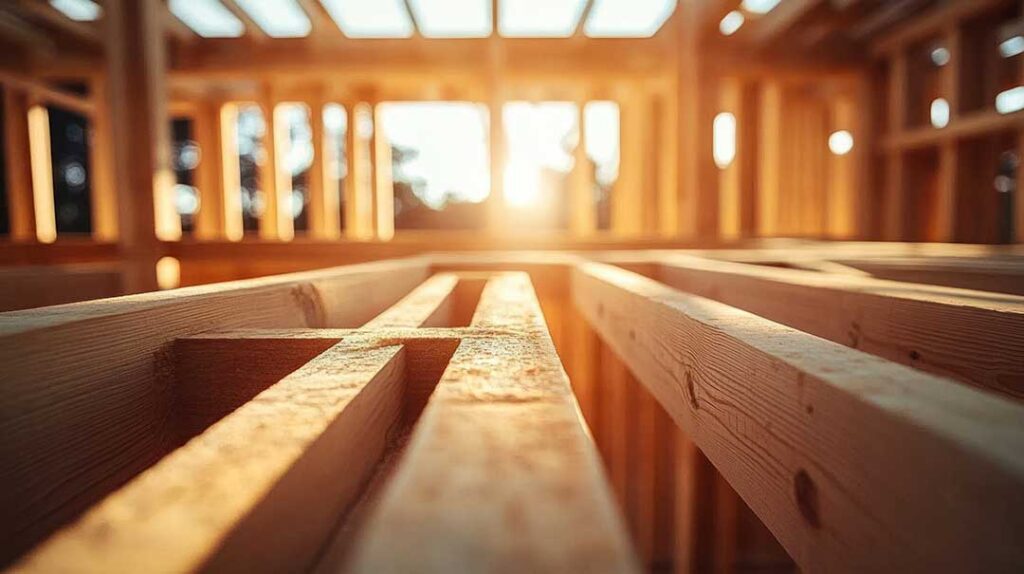
- Framing (1-2 months): Erecting the walls and roof gives shape to the home. Supply chain delays for lumber and materials sometimes extend this phase.
- Systems Rough-In (1-2 months): Plumbing, electrical, and HVAC systems go in after framing. Inspections by local authorities occur at this stage.
- Interior and Exterior Finishes (2-4 months): Cabinets, floors, painting, siding, and other finishes are installed. Material delivery and weather may cause slowdowns, especially for custom features.
- Final Steps & Walkthrough (2-4 weeks): Landscaping, driveways, and final inspection. Owners conduct a walkthrough to note any adjustments needed before moving in.
Which Factors Cause Delays in Kempner?
Regional weather and permitting are the leading causes of timeline changes for local residents. Afternoon storms, extended wet periods, or unusually hot conditions can halt outdoor work for days. During summer, heavy rains can cause foundation delays, while drought occasionally creates challenges with water availability for landscaping.
Permitting timeframes sometimes fluctuate depending on demand and city staffing. Rural properties outside main service areas may need longer for utility hookups or septic approvals.
Custom design requests—such as unique layouts, specialty finishes, or large outbuildings—require extra time for sourcing and labor.
How Do Custom and Tract Homes Differ in Timeline?
Custom homes in the area often take longer than pre-designed tract homes. Custom builds require more design meetings and may incorporate unique land features, which leads to longer planning and permitting periods. Specialized requests can extend ordering and installation timeframes.
Tract homes in local subdivisions are typically completed faster because they follow a repeatable process and have materials and crews scheduled in advance.
Can Weather Affect My Build Schedule?
Yes, local weather is a significant factor in construction timing. In Kempner, severe thunderstorms, heavy rainfall in spring, and summer heat waves are all common causes for work delays. Material deliveries may also be affected. Builders often plan for “weather days” in their schedules, but prolonged storms or late-season rains can still push back completion dates.
What Inspections Are Required and When?
Inspections are built into several stages of the process:
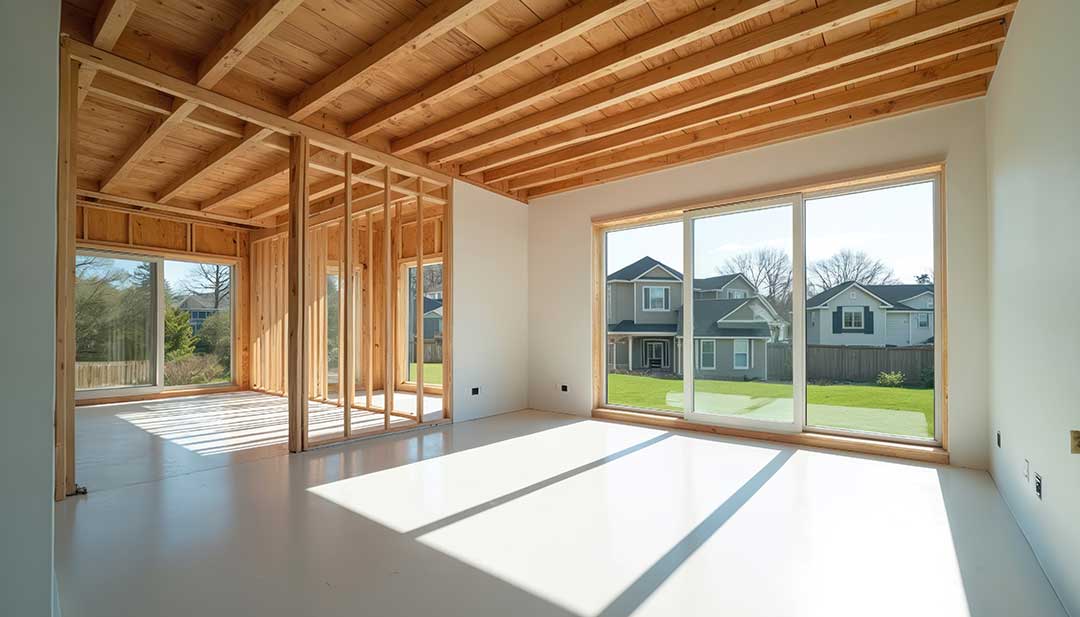
- Foundation inspection before pouring concrete
- Framing inspection after the skeleton is up and systems are roughed in
- Electrical, plumbing, and HVAC inspections after rough-in
- Final inspection before granting the certificate of occupancy
Missing or rescheduling inspections—sometimes due to city workload or missing paperwork—often results in brief hold-ups for area builds.
How Can Homeowners Track Progress?
Residents can ask for schedule updates at key milestones, like after the foundation is poured or before drywall goes up. Many builders now provide online progress trackers, but reliable communication with the project manager or general contractor remains the best way to stay informed.
Homeowners should also be available for selection decisions (flooring, paint, fixtures) to prevent slowdowns. Timely decisions can help keep the timeline on track.
Are There Common Misconceptions About Home Construction Timelines?
Many expect the process to be faster than it typically is, especially if watching new builds in denser neighborhoods where multiple homes are built side by side. Unforeseen slowdowns—such as utility installation, inspection delays, or back-ordered materials—are more common in sparsely populated areas like the outlying areas of the community.
Another misconception is that dry weather always results in quicker builds; however, both heavy rain and excessive drought can cause distinct construction challenges.
What Steps Help Keep Construction on Track?
Planning ahead with clear design decisions, promptly submitting any necessary documents for permitting, and being responsive during key selection points will help minimize timeline extensions. Patience and flexibility with respect to local weather patterns and regulatory schedules are also important for a smooth experience.