

 See My Latest Article on HelloNation
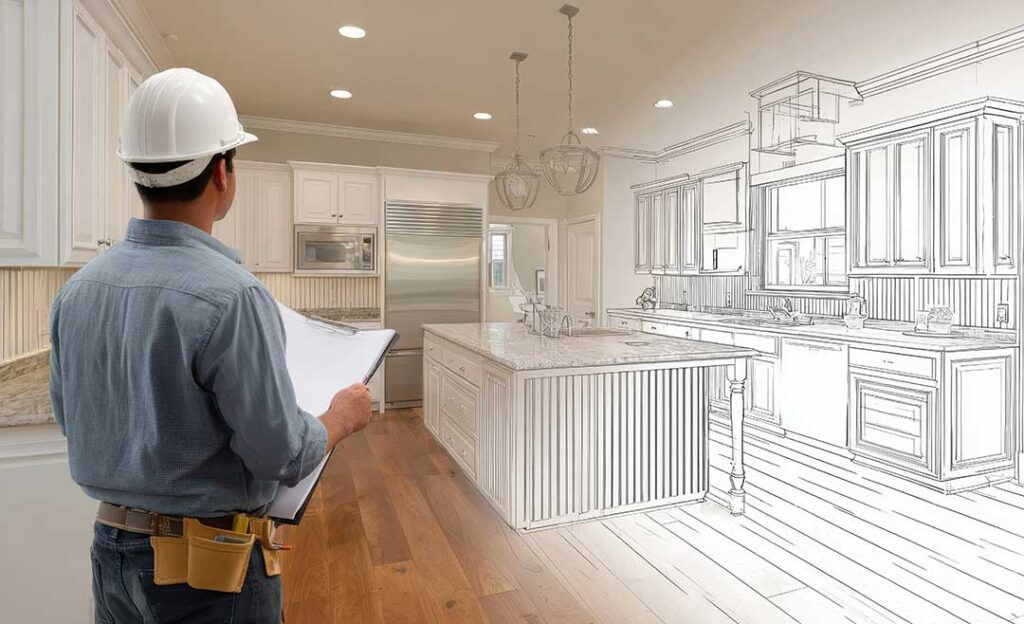
What Does It Mean to Choose a Custom or Production Home Builder?
Choosing between a custom and production home builder shapes everything from the initial home design to your daily living experience. In Kempner, TX, both approaches are available, and each serves different needs, preferences, and budgets.
Custom home builders create unique, one-of-a-kind homes on land you either own or plan to purchase. The process is highly personalized, offering flexibility in layout, materials, and finishes. Production home builders, on the other hand, construct homes within established communities based on pre-set plans, typically allowing limited changes.
Which Type of Builder Offers More Design Flexibility?
Custom builders in the community provide nearly unlimited choices for home size, layout, architectural features, and interior finishes. This approach is well-suited for those seeking to accommodate specific lifestyle needs, aging family members, or particular site conditions. Area residents who have specific lot requirements, want to incorporate special accessibility features, or wish to reflect their own style often lean toward custom builders for the creative freedom they offer.
Production builders typically design homes using a set range of floor plans within a development. Changes are usually limited to finish selections such as paint colors, flooring, or certain kitchen upgrades. If choosing unique materials or adding extra rooms is crucial, the production approach may feel restrictive.
How Do Timelines and Costs Typically Compare?
Production-built homes are generally more predictable regarding timelines and costs. The plans and processes are well-established, allowing for streamlined construction and clear pricing. Residents interested in establishing themselves quickly or minimizing financial surprises often prefer this route.
Custom homes require more time for both the design phase and construction, as the home is built entirely to order. Budgeting can be less predictable due to variables in material costs, design choices, and site conditions commonly found on rural properties in this part of Texas. Factors like well installation, septic systems, or adapting to uneven terrain can all increase costs, especially outside standard subdivisions.
What About Lot Location and Community Amenities?
With custom homes, buyers source their own land—sometimes in less-developed parts of the city, on acreage, or rural parcels. This provides privacy and scenic views but usually means arranging for utilities like water, septic, and road access independently. Area residents eyeing larger lots, horse properties, or heavily wooded sites often find this appealing.
Production homes are commonly part of planned neighborhoods, which may offer paved streets, sidewalks, and shared amenities such as parks, trails, or pools. Utility hookups, city services, and neighborhood infrastructure are generally established before building begins. Those wanting streamlined move-in options, proximity to neighbors, or access to community features may prefer this choice.
Is Energy Efficiency or Resilience Different Between the Two?
Production homes in the area tend to utilize repeatable, efficient building methods and often comply with newer building energy codes and windstorm requirements. Features like insulation values, window quality, and HVAC system efficiency are usually consistent, and models may be designed for effective heating and cooling in the hot Texas climate.
Custom homes give owners the flexibility to integrate advanced energy features, like solar panels, high-SEER HVAC units, or insulation above local code. Residents planning a forever home or looking to control long-term utility costs often explore custom designs to optimize for climate durability. However, whether custom or production, the actual efficiency depends on design decisions and builder expertise.
How Do Regulations and Permitting Differ?
Both custom and production homes must comply with local building codes. In established neighborhoods, production builders usually handle all permitting and regulatory paperwork as part of their process. The steps are routine and well-practiced.
For custom homes, especially those outside city limits or on nonstandard lots, requirements may include additional site surveys, soil reports, or septic permits. Navigating county rules, floodplain restrictions, and utility access can become more complex. Area households considering custom builds should expect a more hands-on role in this phase or plan for extra lead time due to additional approvals.
Are There Common Misconceptions?
A frequent misunderstanding is that all custom homes are always much more expensive than production homes. While full customization can add cost, careful planning and focusing on priority features can make some custom projects competitive, especially on land already owned.
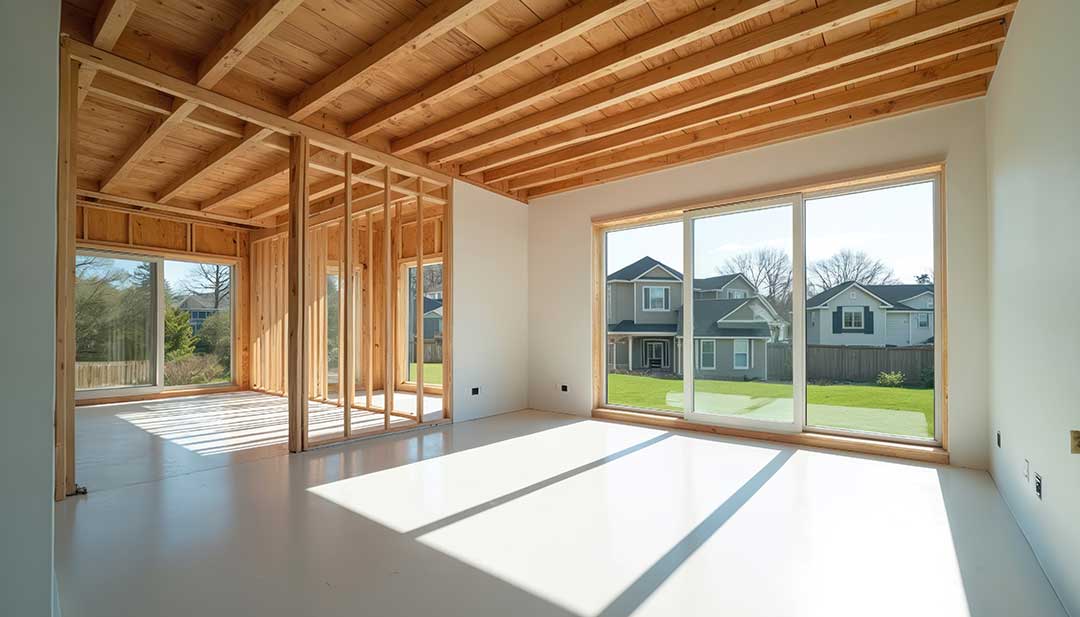
Another misconception is that production homes lack quality. In reality, production homes are often built with high-quality materials and benefit from efficient workflows. The difference is mainly in scope of choice, rather than in basic construction standards.
What Should Residents Think About When Deciding?
Examples of practical considerations for Kempner households include:
- Whether you already own a lot or want land outside a subdivision
- The importance of having a home tailored to your lifestyle or accessibility
- Comfort with managing additional decisions, uncertainty, and permitting complexity
- How quickly you want to move in, and whether you favor a neighborhood setting
- Desire for features like outdoor living spaces, shops, barns, or site-specific upgrades
Residents who prioritize speed, simplicity, and neighborhood amenities usually lean toward production builders. Those who value privacy, design freedom, or have specialized needs tend to explore custom building options.
What Local Conditions Affect Homebuilding Choices?
In this part of Texas, factors such as expansive clay soils, unpredictable weather, and access to reliable wells or septic systems all shape home design and construction. Choosing between custom and production building approaches can be heavily influenced by these local considerations. For example, rural homeowners may prioritize reinforced foundations or flexible layouts to accommodate changing multi-generational household needs. In established subdivisions, the focus often shifts toward efficient heating and cooling, reducing dust, and maximizing usable yard space.