

 See My Latest Article on HelloNation
Why Does Material Choice Matter for Energy Efficiency in Kempner, TX?
Selecting the right building materials directly affects how much energy a home uses for heating, cooling, and everyday living. In Kempner, TX, where summers can be long and hot, and winters are usually mild but occasionally chilly, materials that manage heat flow and retain comfortable temperatures are especially helpful. The right choices also lower utility bills and boost indoor comfort year-round.
What Materials Provide Effective Insulation?
Materials with high insulating value (measured as R-value) slow the transfer of heat between indoors and outdoors. For residents of Kempner, where the sun’s intensity and summer temperatures are a major concern, insulation choices can make a noticeable difference.
- Spray Foam Insulation: Expands to fill gaps and provides a high R-value. It also helps block air leaks, which are a common cause of energy loss in homes.
- Fiberglass Batts: Widely used because of cost and availability. When installed properly, they offer consistent thermal protection, although air gaps or compression can reduce performance.
- Rigid Foam Boards: Often used on the exterior of the home before siding or brick is installed. These boards help create a continuous barrier across wall studs, reducing “thermal bridging”—areas where heat bypasses insulation.
Many homes in this region benefit from a mix of insulation types layered in attics, walls, and crawl spaces to combat seasonal swings.
Do Building Materials Impact Solar Heat Gain?
Home exteriors have a major impact on how much heat gets absorbed or reflected from the sun. Since the climate in Kempner is dominated by bright sunshine much of the year, materials that reflect—rather than absorb—solar radiation are especially useful.
- Light-Colored Roofing: Reflects more sunlight than darker shingles, keeping attic spaces cooler.
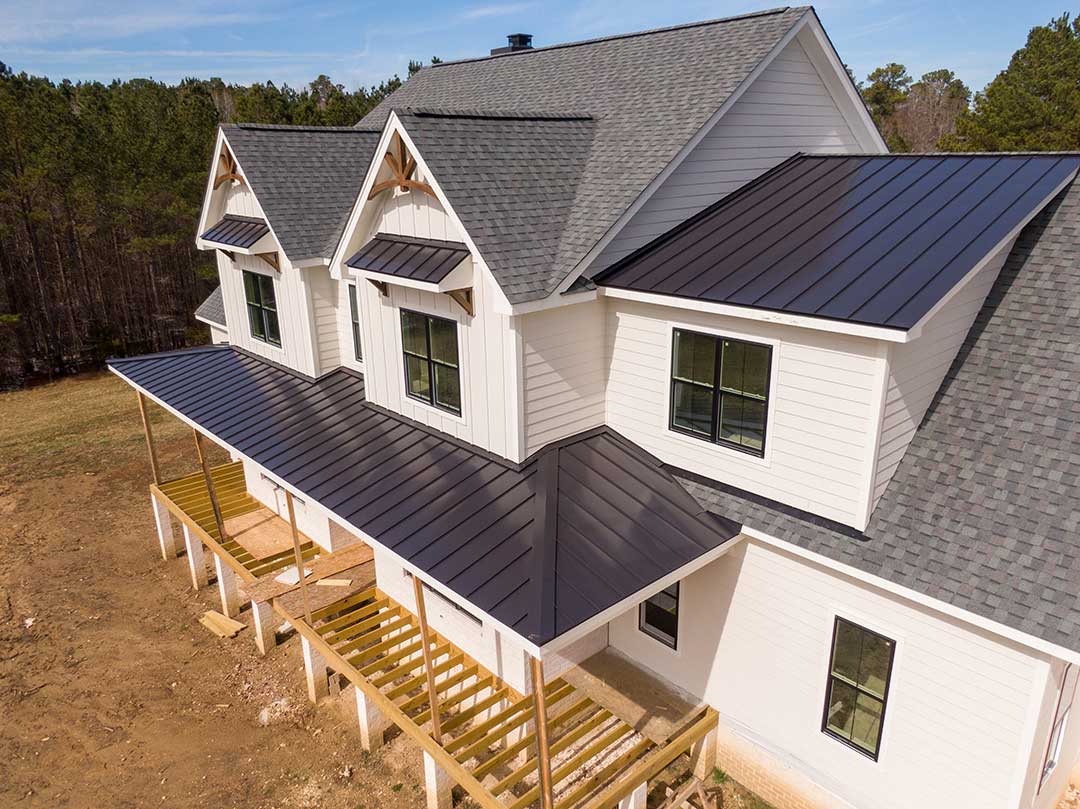
- Cool Roof Products: Specially designed to reflect sunlight and release absorbed heat. These include metal roofing with reflective coatings and shingles made for high solar reflectance.
- Brick and Stone: These heavyweight materials absorb heat during the day but release it slowly after sunset, which can help even out indoor temperatures if paired with good insulation.
Proper shading and overhangs, in combination with reflective materials, further improve performance in the local climate.
How Do Windows and Doors Affect Home Efficiency?
Windows and doors are frequent points of energy loss. In Kempner, choosing the right types can keep cool air in and hot air out—even on the sunniest days.
- Double- or Triple-Pane Windows: Filled with inert gas and sealed, these options provide better insulation than single-pane designs.
- Low-E Glass Coatings: “Low-emissivity” coatings on glass help reflect infrared heat while letting in visible light, reducing solar gain during peak heat.
- Insulated Doors: Solid-core and foam-insulated doors help maintain conditioned spaces more efficiently than hollow or uninsulated models.
Weatherstripping and tight-fitting frames prevent drafts and further improve efficiency.
Are Concrete and Masonry Good for Energy-Efficient Homes?
Concrete and masonry materials can help control indoor temperature swings, especially in hot and sunny areas like Kempner. These dense materials store thermal energy and help “smooth out” temperature changes.
- Insulated Concrete Forms (ICFs): These use layers of insulating foam and concrete—the foam provides insulation, and the concrete offers stability and thermal mass.
- Autoclaved Aerated Concrete (AAC): Lightweight and full of tiny air pockets, AAC offers good insulation and is suitable for exterior walls.
Foundation slabs and block constructions using modern insulation methods are also effective at minimizing unwanted heat transfer, provided care is taken to prevent moisture problems.
What About Siding Materials?
Siding choices can support energy efficiency by reflecting heat and providing another layer of insulation. For homes in this region, siding durability against intense sun and infrequent but heavy rainfall is just as important as insulation value.
- Fiber Cement Siding: Resistant to heat and less likely to warp in direct sunlight than some other materials.
- Engineered Wood: When paired with a radiant barrier or insulated sheathing, it balances efficiency and climate resilience.
- Vinyl Siding with Insulating Backer: Modern vinyl designs pair with rigid foam panels to add a layer of protection against the heat.
Any siding choice should include a moisture barrier (such as house wrap) beneath to prevent water entry and help manage indoor humidity.
How Important Are Air Barriers and Vapor Barriers?
In climates with both heat and occasional humidity, such as Kempner, managing air and moisture movement inside walls is key to both comfort and durability. Air barriers and vapor barriers are not visible finished materials, but they play a critical role.
- Air Barriers: Reduce drafts and unwanted air exchange through the house envelope, keeping conditioned air inside.
- Vapor Barriers: Help control where and how moisture travels, preventing condensation within walls, which can cause mold or rot.
Their installation depends on both the material used and the local climate—getting this detail right helps maximize the value of other efficiency strategies in the home.
Are There Misconceptions About Materials for Energy Efficiency?
Yes. Many people believe that thick walls alone guarantee an energy-efficient home, but material quality, insulation continuity, and air sealing are just as important. Another common misconception is that windows always draw the most energy; however, poorly insulated attics or wall gaps can be much bigger sources of heat gain and loss.
Choosing the right mix of well-installed materials—rather than just investing in one expensive component—yields the best long-term results in the unique climate of Kempner.