

 See My Latest Article on HelloNation
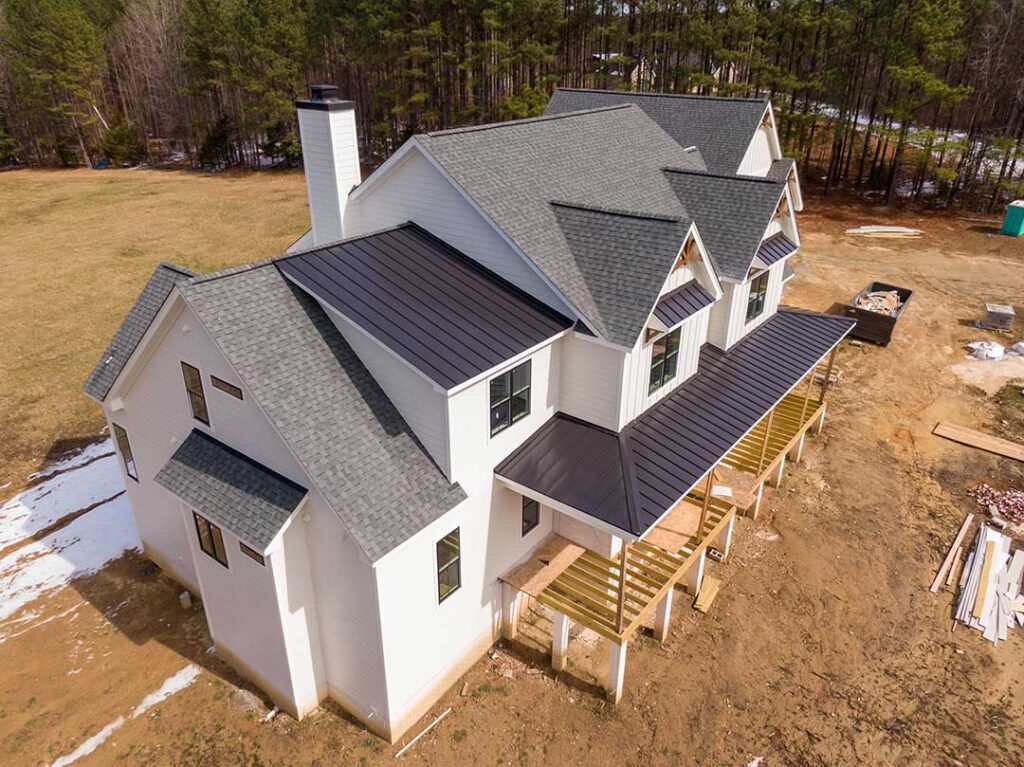
What Planning Mistakes Commonly Affect New Home Builds in Kempner, TX?
Many first-time home builders in Kempner, TX underestimate how much thorough planning shapes the outcome of a project. Skipping or rushing the planning phase can lead to costly changes, delays, and disappointment.
Initial planning should include defining priorities within your budget, understanding local building codes, and mapping out site-specific needs. For example, the particular soil type in the area may require specialized foundation work, especially in locations prone to shifting or expansion. Overlooking these details can result in expensive remedies later.
Misjudging how the home will interact with local weather is another common pitfall. Given the region’s occasional drought and intense summer heat, orientation for shade, insulation choices, and window placement matter for both comfort and ongoing energy costs.
Can Underestimating Local Regulations and Permits Lead to Problems?
Yes. Overlooking or misunderstanding local building codes can halt progress or force last-minute redesigns. Regulations in Kempner require permits for most construction work, and these are not just formalities. Failing to secure the proper approvals can result in fines or even order a stop to your build.
Common misconceptions include assuming that rural lots in the area are exempt from permitting or believing that minor changes won’t affect compliance. Familiarizing yourself with area-specific zoning, septic requirements, and setback rules early avoids last-minute surprises.
How Does Budgeting Go Wrong for First-Time Builders?
First-timers often base their budget only on visible costs—like materials or labor—without building in realistic reserves for hidden expenses. Unanticipated issues, such as unexpected soil conditions or power connection costs, are common in the city limits and adjacent rural parcels.
Residents also sometimes forget ongoing expenses, such as utility hookups, energy-efficient upgrades, or landscaping needed for erosion control. Failing to include a contingency fund—typically 10-15% of the total budget—can turn a manageable challenge into a major hurdle if something goes wrong along the way.
Why Is Lot Selection So Important in Kempner?
The lot you choose sets the tone for everything: build costs, long-term comfort, and even resale value. Some families overlook the impact of flood plains, road access, or lack of existing utilities, only realizing later that extra infrastructure or drainage work explodes their costs.
Being familiar with the topography matters, especially where the landscape shifts between flat open land and rocky or wooded sites. Building on a slope or near creeks calls for specific grading, which takes both time and budget. Paying attention to this stage helps avoid frustration with water runoff, drainage, or uneven settling in future years.
Does Not Thinking About Future Needs Cause Regret?
Yes—thinking only about present requirements leads to costly remodels down the line. First-time home builders sometimes compromise on essential features for today’s savings, overlooking what will be needed as families grow, work-from-home setups become standards, or mobility needs change.
Common oversights include too few electrical outlets, undersized garages, or not planning for expansion. Instead, think about flexible spaces, storage, and accessibility from the start. Considering longer-term needs ensures the home remains a good fit for years to come.
What Are Common Floor Plan Missteps?
Adopting a generic floor plan without customizing it to the local lifestyle or climate can cause year-round frustration. In the area, open layouts with good airflow can help relieve the persistent summer heat, while placement of bedrooms away from street-facing windows adds quiet and privacy.

Some local households regret skimping on entry foyers to manage mud and dust during rainy or windy seasons, or fail to plan for back patio spaces to enjoy the area’s sunsets. Avoid copying “standard” plans without considering how your family actually lives in the local environment.
Are DIY Approaches Ever Problematic for First-Time Builders?
Managing or doing parts of the build personally can be rewarding, but it’s easy to underestimate what’s truly DIY-friendly. Tasks such as electrical wiring, plumbing, or structural work are governed by codes for safety, and mistakes may void warranties or insurance.
Local guidelines may require certain phases—like septic installation or electrical tie-ins—to be completed by licensed professionals. Taking shortcuts here can lead to inspection failures, rework, and long-term maintenance issues. Always check which jobs can safely and legally be handled without outside help.
How Do Communication Gaps Disrupt the Process?
Poor or infrequent communication between the homeowner and everyone involved in construction is a frequent cause of stress and error. Even small misunderstandings can snowball, causing delays or costly change orders.
Clarify every decision with clear, written documentation. Confirm the exact layout, materials, and finishes before work starts. Regular walk-throughs with all parties help catch issues early, from window placement to paint color.
Local families sometimes find that respectfully voicing questions or concerns early—even if they seem minor—leads to much smoother progress and fewer regrets.
Is Energy Efficiency Frequently Overlooked?
Kempner experiences long, hot summers and variable winters, so energy efficiency isn’t just a luxury—it impacts budgets for decades. Builders who skip upgraded insulation, reflective roofing, or well-placed shade structures often see much higher utility bills.
Plan for double-pane windows, radiant barriers, and proper attic ventilation tailored for the region. Many new homeowners wish they invested a bit more during construction, once they realize the cumulative savings and comfort of a well-sealed, efficient home.