

 See My Latest Article on HelloNation
What Are the First Steps Before Construction Begins?
Building a house in Kempner, TX starts well before construction crews arrive with building materials. The initial steps set the foundation for a successful project and smooth progress.
- Land Selection and Preparation: Property owners need to verify access to utilities (such as water and electricity), understand lot restrictions, and check for flood zones, which can be especially relevant in rural or creek-adjacent areas around Kempner.
- Site Survey and Soil Testing: A land survey ensures the home will be correctly situated under local zoning and setback requirements. Soil testing helps anticipate challenges like clay-rich soils, which are common in Central Texas and can impact foundation design.
- Permitting and Planning: Detailed plans must be finalized and submitted to the appropriate county or municipal office for review. Local regulations can dictate setbacks from property lines, driveway placement, and septic system requirements if the property is not connected to municipal sewer.
How Is the Foundation Built, and Why Is It So Important?
The foundation anchors a house and supports the structure above. In the Kempner area, slab-on-grade is the most common foundation type due to local soil and climate.
- Clearing and Leveling: Workers clear vegetation and debris, then level the ground. This process is especially important in rocky or uneven areas found in and around local hills.
- Formwork and Reinforcement: Forms are placed to define the foundation shape, and steel rebar is added for strength.
- Concrete Pouring and Curing: Concrete is poured and left to cure, which can take several days. During hotter Texas months, careful monitoring prevents cracking and ensures proper hardening.
What Happens During Framing?
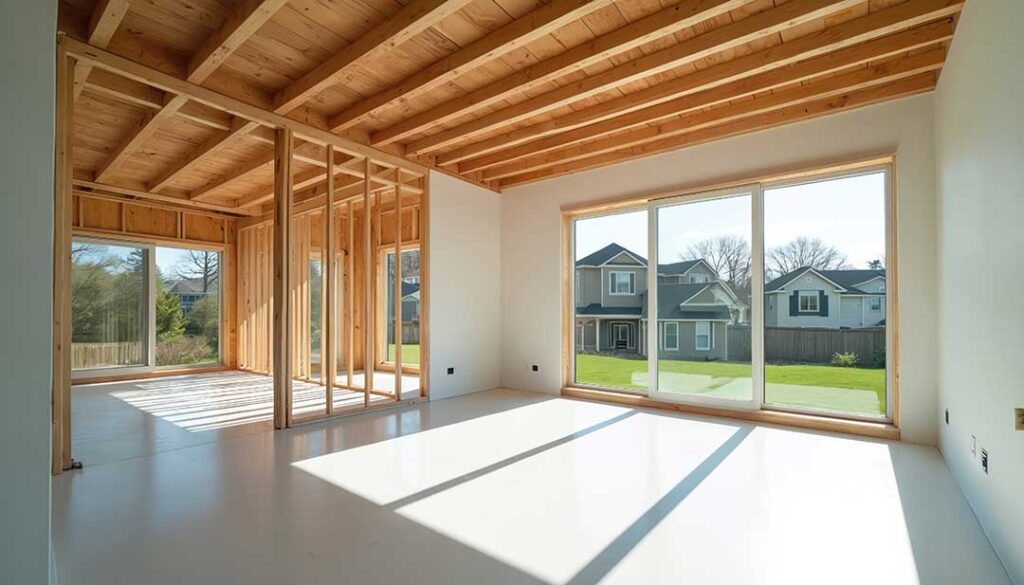
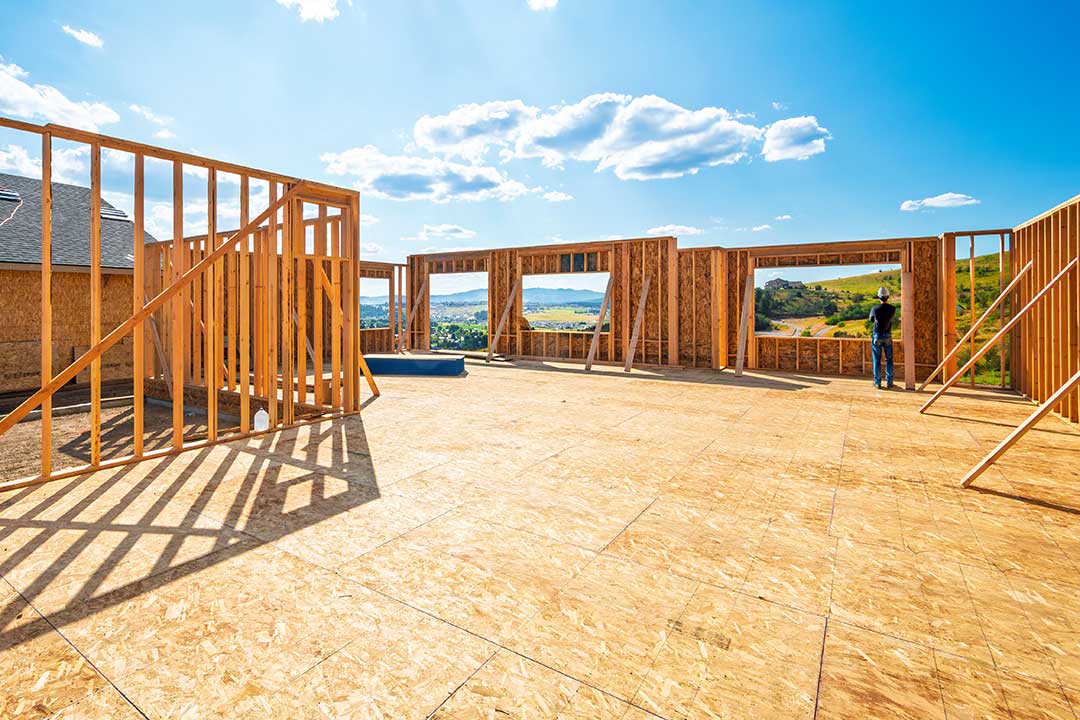
Framing gives the house its physical shape—walls, roof, and floors all come together during this stage.
- Wall and Roof Structure: Lumber (or sometimes steel) is used to build the frame, including exterior walls, interior partitions, the roof, and sometimes floors if the design includes a crawl space or basement.
- Windows and Doors Installation: Openings for windows and doors are added, ensuring the living spaces are properly laid out and ventilated.
- Sheathing: Plywood or OSB sheathing is applied to walls and roof, acting as a base for siding and roofing.
This step often moves quickly, and local residents may notice a home start to look recognizable within days. However, regular rain or humidity can sometimes cause delays in this phase.
How Are Utilities and Critical Systems Installed?
Rough-in work for plumbing, electrical, and HVAC systems gets completed before any interior surfaces are finished.
- Plumbing: Pipes for water supply and waste removal are placed inside walls and under floors.
- Electrical: Wires, outlets, and panel boxes are installed, alongside provisions for internet or cable if needed.
- HVAC: Ductwork for heating and cooling is set in place. In Kempner’s climate, special attention is paid to ensuring central AC and heating are sized appropriately for summer heat and occasional cold snaps.
This stage involves inspections to ensure that each system complies with building codes and safety standards. Skipping or rushing inspections can lead to costly fixes later.
What Needs to Happen Before the Walls Go Up?
Before drywall or insulation is installed, several critical checks and installations are completed.
- Insulation: Batts or spray foam are used in walls and attics to meet energy efficiency targets, important in an area with hot summers and variable winters.
- Exterior Finishing: Siding, brick, or stone is added to protect the frame from wind, rain, and pests.
- Roofing: Shingles, metal panels, or tile are installed, ensuring water doesn’t seep inside. Proper flashing and ventilation are checked, especially in regions susceptible to heavy summer storms.
It’s a common misconception that insulation can be an afterthought—choosing the right type and making sure it’s installed correctly is key for comfort and lower utility bills.
How Are Interiors Finished?
Once the house is weather-tight and utilities are in place, attention shifts to the interior.
- Drywall and Painting: Wallboard is installed, taped, mudded, and sanded, followed by primer and paint.
- Flooring: Depending on local preferences, tile, hardwood, laminate, carpet, or stained concrete are chosen for living spaces.
- Cabinetry and Fixtures: Kitchens and bathrooms receive cabinets, sinks, countertops, and light fixtures, with final choices shaped by the homeowner’s design and lifestyle.
Each trade must coordinate schedules, and unexpected supply delays can sometimes mean waiting for materials—this is especially true for special-order items.
What Are the Final Steps Before Moving In?
After main construction is finished, it’s time for checks, clean-up, and final touches.
- Trimming and Detailing: Baseboards, interior doors, and finish carpentry are completed.
- Appliance Installation: Major appliances like stoves, dishwashers, and washers are put in place and hooked up.
- Punch List: The builder (or, in self-managed projects, the owner) reviews the whole house, noting any issues that need attention, such as paint touch-ups, sticking doors, or incomplete exterior grading.
Before move-in, homes in the area undergo final inspections for safety, and new owners often need to set up accounts for utilities like water coop service, electric, and trash collection.
What Are Common Challenges in Local Homebuilding?
Several local factors can complicate the process and warrant extra planning:
- Weather: Extended summer heat or heavy storms can delay certain stages; heat can impact concrete curing, and rain will halt exterior work.
- Soil Movement: Central Texas soils can expand and contract with moisture changes, making foundation quality and drainage crucial.
- Utility Access: In more rural plots, reaching electric lines, drilling wells, or installing septic units can take extra time and coordination.
- Wildlife and Vegetation: Clearing land may uncover old trees, brush piles, or even local wildlife, requiring caution and compliance with local guidelines.
By breaking the process down and understanding each stage, area residents can approach homebuilding with clear expectations and practical insights, helping ensure a finished home that suits both personal needs and the local environment.