

 See My Latest Article on HelloNation

What Are the Main Differences Between Building and Buying a House?
Choosing between building a home from the ground up or buying an existing property is a significant decision for many local residents. Each path offers distinct advantages and trade-offs, shaped by the realities of housing patterns, land availability, and market conditions in Kempner, TX. Understanding these differences helps area households make a choice that aligns with their needs, budget, and timeline.
Building a home involves purchasing land, working with designers or architects, selecting plans, and overseeing the construction process. Buying, on the other hand, typically means purchasing a completed home—often with landscaping and mature features already in place. Each option presents unique challenges and benefits, some of which are shaped by the local climate, infrastructure, and community growth trends.
What Are the Pros and Cons of Building a House?
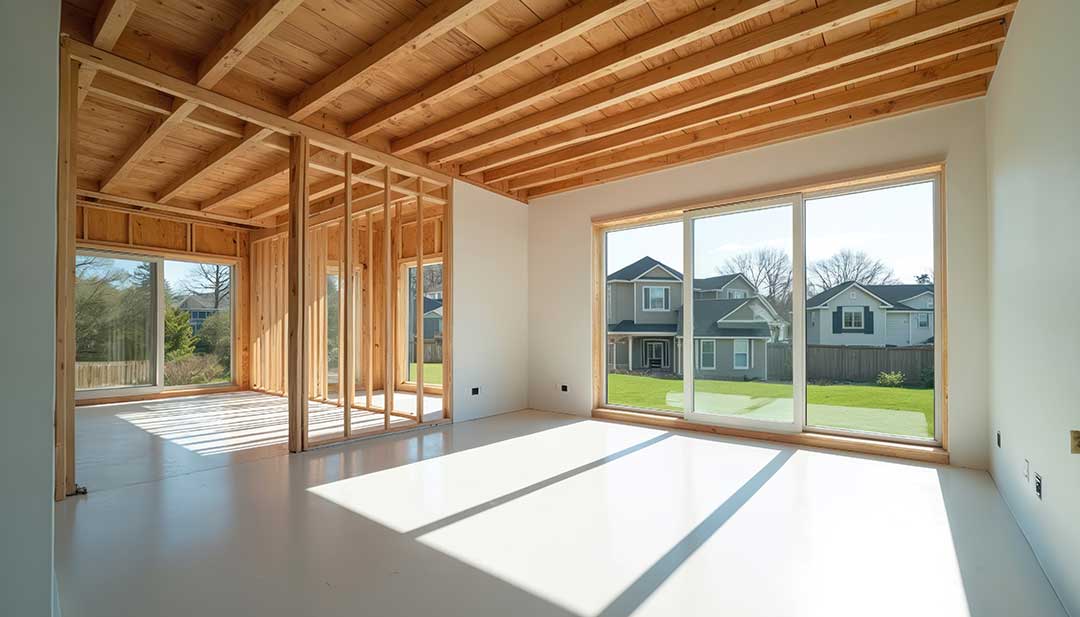
Building a new home gives owners the chance to shape every detail, but also brings complexity and unpredictability. Here’s what to expect from new construction in the area:
Pros:
- Customization: New construction allows most or all design choices—layout, finishes, energy systems, and accessibility, among others.
- Modern Efficiency: Newer homes tend to include better insulation, more efficient systems, and updated materials to cope with Central Texas’ heat and fluctuating temperatures.
- Less Immediate Maintenance: With everything brand new, there’s usually less risk of major repairs or replacements in the first several years.
- Location Flexibility: Building lets families choose property that fits their goals, whether a larger lot in a rural setting or something closer to local amenities.
Cons:
- Longer Timeline: Building usually takes several months or longer, depending on permitting, materials, and contractor availability. Delays from weather (especially during wet seasons) or supply shortages are not uncommon.
- Upfront Work and Decision Fatigue: Owners will need to make frequent decisions—big and small—regarding plans, approvals, and finishes, which can feel overwhelming.
- Potential for Cost Overruns: Even with careful planning, costs can rise unexpectedly due to labor, materials, or unforeseen site issues (like caliche or uneven ground).
- Access and Utilities: Depending on the chosen location, access to water, septic, electric, and road infrastructure may require additional effort and investment.
What Are the Pros and Cons of Buying an Existing Home in the Area?
Purchasing a home that’s already built can simplify the process, but may also require compromise. Residents considering this route should weigh:
Pros:
- Speed: Closing on an existing home can happen within weeks, allowing families to relocate quickly—helpful for those with tight schedules.
- Potential Savings: In some cases, buying may be less expensive than building, especially when including landscaping, fencing, and other improvements that a finished property provides.
- Established Features: Mature trees, shaded yards, outbuildings, or fences can be difficult or expensive to establish from scratch. An existing home often includes these.
- Known Neighborhoods: Purchasing in an established subdivision or part of the community gives buyers better insight into traffic patterns, neighbors, and local conveniences.
Cons:
- Limited Customization: Most buyers need to accept the design, layout, and features as they are—or commit to renovation.
- Maintenance Surprises: Older properties may reveal hidden issues, such as foundation settling, outdated plumbing, or electrical limitations, which can add to costs.
- Energy Efficiency Gaps: Existing homes vary widely in insulation, windows, and HVAC systems; upgrades may be necessary to cope with hot summers or rapid seasonal changes.
- Competition: Available inventory fluctuates, and homes in good condition or desirable locations may attract multiple offers or rise in price, especially during strong market years.
How Do Local Land and Infrastructure Affect Each Choice?
In the Kempner area, land parcels can be more plentiful compared to high-density regions, but differences in soil quality, access roads, and availability of utilities often dictate total costs and timeline. For example:
- Building on undeveloped land may require additional site work (grading, water wells, septic systems). Some properties within the city boundaries have easier access to public services than more rural parcels.
- Road conditions can affect construction vehicles and delivery access, potentially slowing projects during heavy rains or drought-affected periods.
- Specific local ordinances or permitting requirements can influence whether certain lots are build-ready or require additional expense before construction can begin.
On the resale side, pre-owned homes are often located in areas with paved roads and mature infrastructure. However, some older neighborhoods might have aging utility lines or drainage patterns that new residents should evaluate during inspections.
What Budgeting Considerations Are Unique to Each Approach?
New builds often come with variable costs, influenced by choices in materials, finishes, and last-minute changes. Some key budgeting factors include:
- Site Preparation: Clearing brush, leveling, and ensuring proper drainage can add thousands to a project's total cost.
- Permit Fees: Local regulations may require multiple permits, which come with their own fees and review periods.
- Utility Connections: In semi-rural zones, extending electric or water service to a property line can be a significant expense.
When buying, main costs are typically more predictable:
- Sale Price and Closing Costs: These are usually known upfront. Inspections or appraisals may reveal the need for repair, which should be budgeted separately.
- Immediate Repairs or Updates: Budgeting for changes after move-in—whether updating flooring, replacing HVAC, or retrofitting for energy savings—is wise.
What Do Most Residents Overlook When Deciding?
Many first-time homebuilders or buyers tend to focus on the most visible factors, like square footage or asking price, but overlook:
- Daily Commute and Accessibility: New builds on outlying land may mean longer drives or less access to grocery stores, schools, or health services.
- Property Restrictions: Deed restrictions, easements, or zoning limitations may affect what can be built or modified, especially in mixed-use or transitional areas.
- Ongoing Maintenance Needs: All homes—new or old—require routine care. New homeowners often underestimate the time and cost of landscaping, septic upkeep, and seasonal maintenance.
How Does Lifestyle Influence the Best Option?
Families who value creative control, hope to age in place, or want energy-efficient features may lean toward building. Others, who prioritize convenience, speedy move-ins, or minimal oversight, may be better served by the resale market.
Neighbors and local groups can offer insight into the feel and rhythm of different subdivisions, especially since growth patterns, road upgrades, and shifting school boundaries sometimes change over time. Visiting open houses, talking to existing residents, or reviewing city planning documents can further clarify what’s available—or possible—in each scenario.