
 See My Latest Article on HelloNation
How Long Does a New Home Build Typically Take in Kempner, TX?
Most new homes in Kempner, TX take between 6 and 14 months to complete from permitting to final walkthrough. A simple, single-family home on a clear lot with straightforward plans will usually be finished more quickly than a large, custom build or a home on rural acreage with site preparation needs. Local climate, season, available labor, and permitting processes also affect timelines.
What Are the Main Phases of Home Construction?
Construction follows a series of set phases. Each plays a critical role in the total build time:
- Pre-Construction: This includes site selection, design, engineering, permitting, and site preparation. Local residents can expect this stage to take 1–3 months, depending on the complexity of the land and paperwork.
- Foundation and Framing: Pouring the foundation (often slab-on-grade in Kempner due to local soil types) can last from 2–4 weeks. Framing the structure usually adds another 1–2 months.
- Mechanical, Electrical, and Plumbing (MEP) Rough-In: Laying out systems for heating, cooling, plumbing, and wiring takes about 1–2 months.
- Interior and Exterior Finishes: Insulation, drywall, paint, flooring, cabinetry, trim, roofing, and exterior siding follow. This stage can last 2–4 months, influenced by supply chains and custom features.
- Final Steps and Inspections: The last handful of weeks focus on finishing touches, landscaping, inspection approvals, and resolving any punch list items.
How Do Weather and Local Conditions Affect Build Time?
Weather in Kempner varies, with hot summers, occasional heavy rains, and mild winters. Each of these can influence a project’s pace:
- Rainfall: Prolonged spring or early summer rainstorms can delay foundation work, sewer installations, and exterior construction.
- Extreme Heat: July and August’s high temperatures slow some outdoor tasks and may require adjusted work hours to prioritize crew safety.
- Soil and Terrain: Rocky or uneven lots are common in the area, sometimes leading to additional excavation or engineering time.
On average, fall and early winter are favorable times for beginning construction, as crews in the region are less likely to encounter major weather-related delays.
Does Customization Make a Difference?
Yes, highly customized homes nearly always extend the timeline. Standard plans, especially those that local builders are familiar with and can build repeatedly, move faster. Custom architectural designs, non-standard features, and special-order materials each add weeks or months to scheduling.
For example, if a design requires imported tile or specialty windows, a project may pause while waiting for shipments. Similarly, changes made after construction begins—such as modifying room layouts or switching finishes—require additional planning, approvals, and labor.
Are Permits and Inspections Slower or Faster in Kempner?
Permitting in Kempner tends to be moderate compared to larger urban areas but faster than in highly regulated cities. Typical residential permits proceed through county or municipal offices, depending on exact location and local jurisdiction.
Completing applications, submitting plans, and waiting for approvals may take anywhere from a few weeks to over a month, especially if additional documentation or changes are requested. Scheduled inspections during major phases (foundation, framing, electrical, plumbing) are required, and each inspection must be passed before proceeding to the next phase.
What Local Factors Could Cause Delays?
Beyond weather and permitting, area residents should consider:
- Rural Infrastructure: Homes built on acreage or outside denser neighborhoods often need new service connections for water, power, or septic. Delays sourcing these utilities—especially after local rains—are common.
- Supply Chain Challenges: Delivery timelines for materials like lumber, concrete, or stone may fluctuate due to demand or regional transport interruptions.
- Contractor Availability: In busy building periods, labor shortages can slow progress as skilled crews are scheduled across multiple projects.
- HOA or Community Review: For homes in neighborhoods with property owner associations, additional review and approval processes may apply.
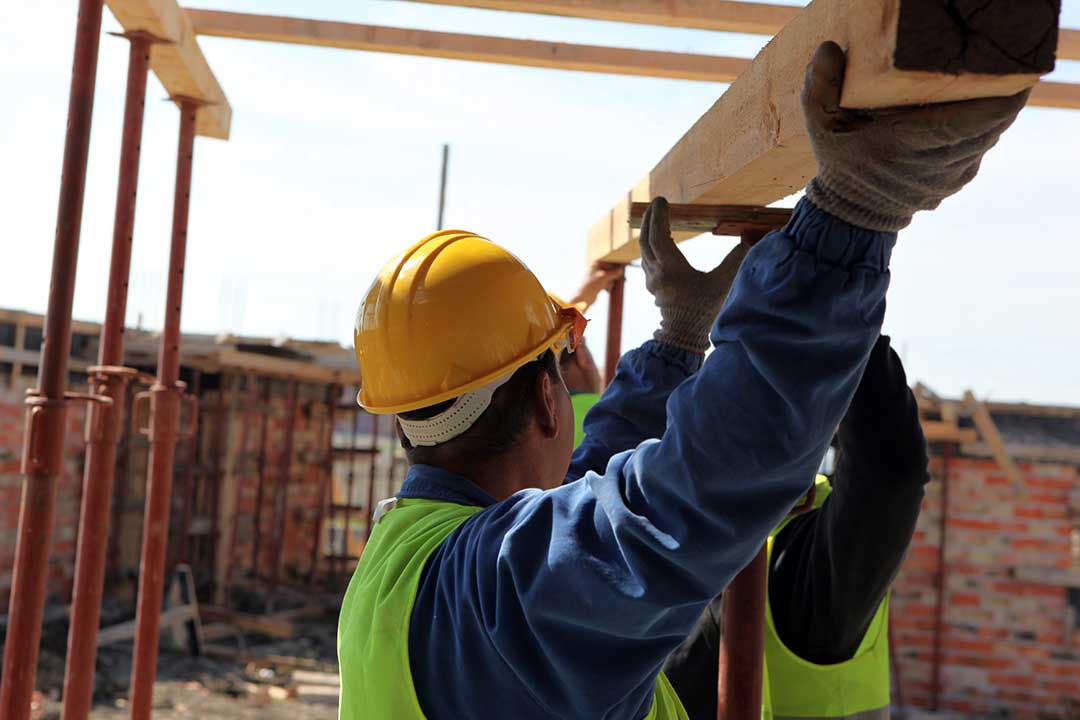
Can Homeowners Speed Up the Timeline?
While some factors are out of a homeowner’s control, local residents can keep a build moving smoothly by:
- Deciding on plans, finishes, and upgrades early, before construction starts
- Responding promptly to builder questions and required decisions
- Avoiding design changes after work begins
- Ensuring that all necessary site work (such as clearing land or marking utility easements) is completed before construction kicks off
Common Misconceptions about Build Times
Many people believe that building a home in Kempner will always take a set number of months. In reality, the timeline can vary widely based on property characteristics, design choices, and the specific time of year construction begins.
Another common myth is that new homes can be completed much faster using “modular” or “pre-fab” techniques. While these options can shorten framing and finish stages, local site preparation, utility hookups, and inspections still take up overall time.
What Should Residents Realistically Expect?
For a typical single-family home on a prepared lot in Kempner, a well-managed project might be move-in ready in 7–10 months after permitting is complete. For larger, fully custom projects, or builds requiring driveway construction, utility extensions, or unique site work, 12–14 months (or more) is common.
Planning with these local factors in mind helps future homeowners set realistic expectations and avoid surprises along the way.