

 See My Latest Article on HelloNation
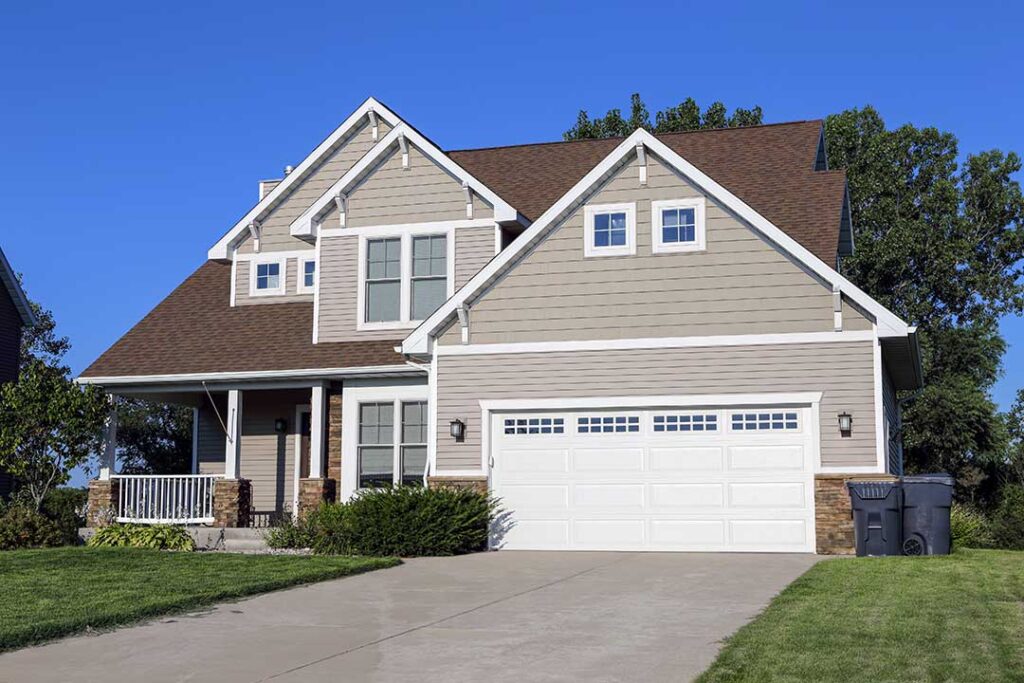
What Does Home Sustainability Really Mean for Kempner Residents?
Sustainability in a new home means using fewer resources, reducing waste, and creating a comfortable, healthy environment, all while respecting the natural surroundings. For Kempner, this can be practical—given the region’s mix of hot summers, mild winters, and limited municipal infrastructure in some areas. Residents are often motivated by rising utility costs, concerns about water availability, and a desire to live more efficiently.
How Can You Make Your Home Energy Efficient in Kempner?
Energy efficiency starts with reducing the amount of energy your household needs for heating, cooling, and daily activities.
- Insulation and Air Sealing: Well-insulated walls and attics matter in the region’s summer heat. High temperatures can double cooling bills if the home leaks air. Pay special attention to weatherstripping doors and windows, particularly if you’re using standard stick-built construction. Even small cracks can add up to major energy loss.
- Efficient Windows: Double-pane, low-emissivity (low-E) windows help keep homes comfortable year-round. This is more than a convenience—old or single-pane windows can make a dramatic difference in a climate with direct sunlight and steady warm days.
- Modern HVAC Systems: Look for units with a high SEER (Seasonal Energy Efficiency Ratio) rating. Heat pumps are becoming more common and can efficiently provide both heating and cooling. Annual filter changes and regular maintenance can also deliver energy savings.
- Ceiling Fans: Simple but often overlooked, ceiling fans circulate air efficiently and reduce reliance on air conditioning when used strategically.
Is Solar Power Worth Considering Locally?
For many homeowners in the area, solar panels are a practical step toward sustainability. The region benefits from high average sun hours, making rooftop solar systems productive. Before investing, be aware of:
- Roof Orientation: South-facing roofs receive the most consistent sunlight, maximizing solar generation.
- Upfront Costs: While initial expense is significant, long-term utility savings can be substantial.
- Battery Storage: If you experience power interruptions during storms or outages, solar batteries allow you to store excess energy for use when the grid is down.
What Should Kempner Homeowners Know About Water Conservation?
Drought and water shortages are concerns throughout much of Texas, and local households often rely on private wells or limited municipal supplies. Even with good rainfall some years, conservation protects both the environment and your well-being.
- Low-Flow Fixtures: Modern toilets, showerheads, and faucets save thousands of gallons per year with no impact on comfort or cleaning.
- Efficient Irrigation: Drip irrigation, zone-timed watering, and rain sensors can cut landscape water use dramatically. Watering lawns or gardens during early morning or late evening prevents evaporation.
- Rainwater Collection: Gutter-mounted barrels or cisterns offer a simple, low-tech way to keep gardens healthy without increasing your water bill.
Do Sustainable Materials Make a Difference?
Yes—choices in building materials shape both the environmental footprint and the indoor air quality of your new home. The local climate makes durability and performance extra important.
- Locally-Sourced Materials: Using what’s available nearby reduces transportation-related emissions and often ensures materials are suited for area conditions. Stone, brick, and native woods are commonly sourced locally.
- Recycled Content: Countertops, flooring, and insulation are available with significant recycled content, offering performance benefits as well as environmental ones.
- Low-VOC Finishes: Volatile organic compounds (VOCs) in paints, sealants, and flooring can linger in indoor air for years. Low- or no-VOC products make a noticeable difference, especially for sensitive individuals.
How Can Landscaping Impact Sustainability?
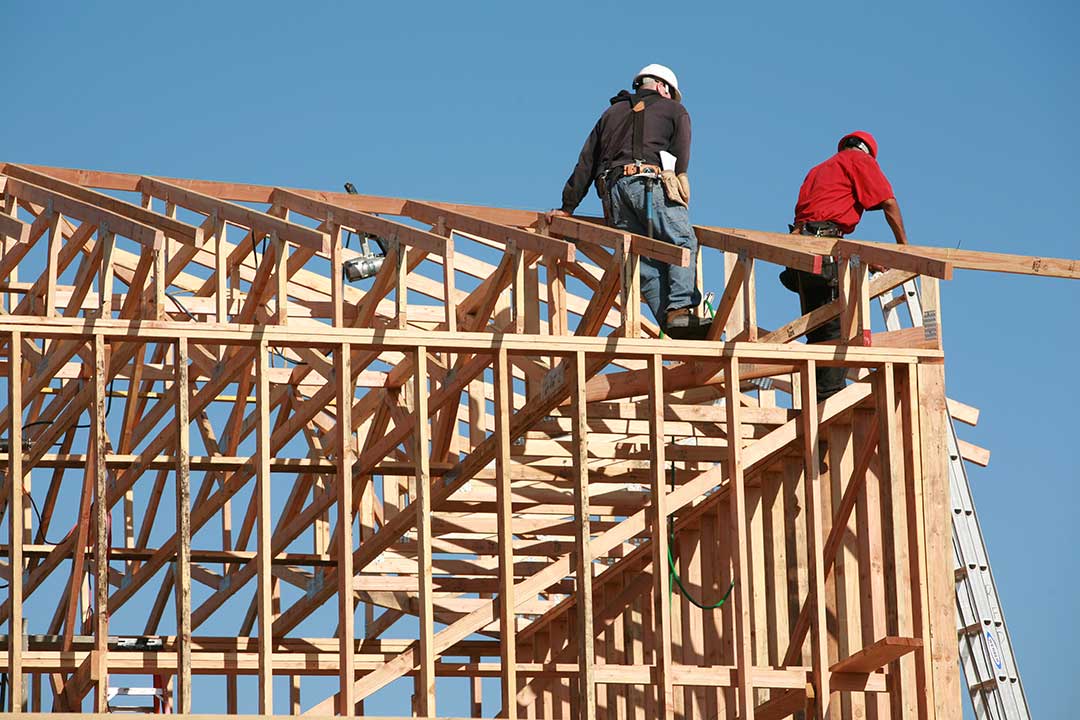
Good landscaping decisions support sustainability by cutting water use, reducing maintenance, and even cooling your living space naturally.
- Native Plants: Native shrubs, grasses, and trees demand less water and care, and are more likely to thrive in the region’s soils. Many also support wildlife and reduce the need for fertilizers or pesticides.
- Shade Trees: Placing deciduous trees on the southern and western sides of your home allows for natural cooling in summer while letting sunlight warm your home in the winter when leaves drop.
- Permeable Surfaces: Patio pavers or gravel walkways prevent stormwater runoff and help replenish groundwater, a benefit for both private wells and the wider community.
Are Smart Home Features Worth It for Sustainable Living?
Smart thermostats, lighting systems, and leak sensors allow you to manage energy and water use more effectively.
- Smart thermostats adjust your home’s temperature based on occupancy or even weather forecasts.
- Automated lighting systems ensure lights are off when not needed.
- Leak sensors can alert you early to plumbing problems, minimizing water waste and preventing costly repairs.
These features are particularly valuable for households where routines vary or the home sits empty during the day.
What Mistakes or Myths Should You Avoid?
Sustainable choices sometimes come with misconceptions:
- Bigger Isn’t Always Better: A well-designed smaller home often uses less energy and materials, despite the appeal of expansive floor plans.
- Not All Green Claims Are Equal: Look beyond basic "green" labels. Investigate certifications or documentation for major materials and appliances.
- Ignoring Maintenance: Even the best systems and materials require periodic checks to maintain efficiency. Clogged HVAC filters, blocked gutters, or leaky faucets can undo other sustainable upgrades.
Sustainable living in Kempner is accessible and practical by focusing on energy use, water habits, material choices, smart features, and landscape planning tailored to the unique climate and lifestyle patterns of area households.