

 See My Latest Article on HelloNation
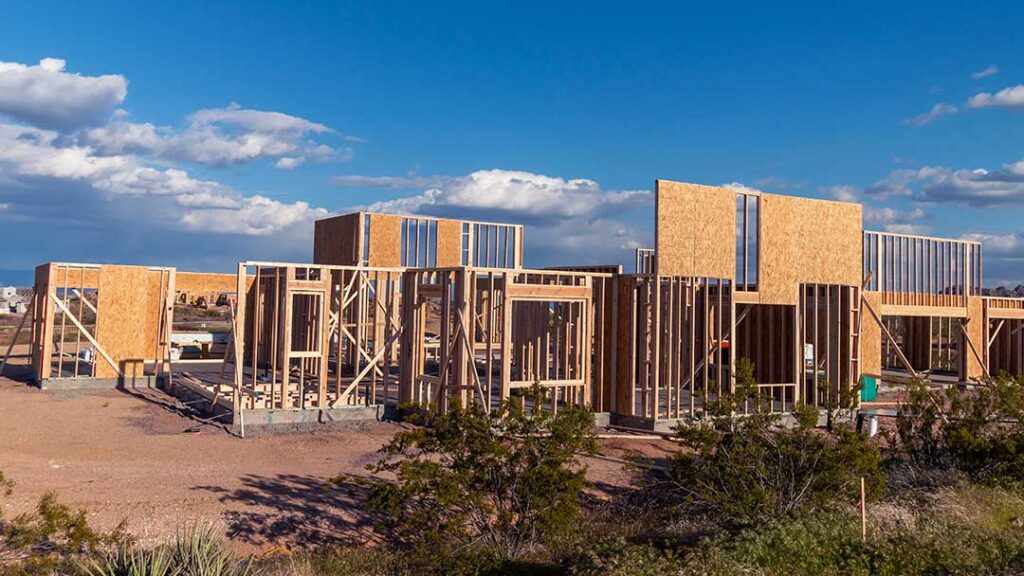
Is building a home cheaper than buying one?
Usually, building a home is not automatically cheaper than buying an existing home. A new build can provide newer systems, lower repair needs, and a layout suited to the household, but the total cost includes more than the construction contract.
Buying an existing home often combines the land, structure, driveway, utility connections, landscaping, and many finished features into one purchase price. Building requires those costs to be evaluated separately. In Kempner, the answer depends heavily on the lot, utility access, home size, finish level, financing, and how much site preparation is needed.
A useful comparison is not “construction price versus sale price.” It is:
- Total cost to build: land, site work, construction, permits, utilities, financing, landscaping, and contingency funds
- Total cost to buy: purchase price, inspections, closing costs, immediate repairs, updates, insurance, taxes, and ongoing maintenance
What costs are easy to overlook when building?
The house itself is only one part of a new construction budget. A vacant lot may require work before construction can begin, including:
- Surveying and soil or site evaluations
- Clearing, excavation, grading, and drainage improvements
- Driveway and access work
- Water, electric, and other utility connections
- A septic system or other wastewater solution where public service is unavailable
- Foundation preparation
- Permit and inspection fees
- Fencing, exterior lighting, walks, and basic landscaping
- Construction-loan interest, insurance, and temporary housing
Rural and semi-rural lots can vary significantly even when they appear similar from the road. One parcel may have convenient access to existing infrastructure, while another may require a longer utility run, more extensive grading, or a wastewater system sized for the property.
The city maintains a building permit ordinance, so permit requirements should be confirmed before relying on a preliminary construction budget. Local planning information also identifies building-code requirements associated with residential construction. ([kempnertx.gov](https://kempnertx.gov/ordinances-%26-resolutions?utm_source=openai))
Why can an existing home be less expensive?
An existing home may be financially attractive because several large expenses have already been absorbed by the previous owner. The property may already include:
- A completed foundation and structural system
- Connected utilities
- A finished driveway and drainage pattern
- Fencing, trees, lawn, or other site improvements
- Window coverings, appliances, storage, and other features
- A final inspection history and established property records
That does not mean every older home is a bargain. A lower purchase price may reflect an aging roof, outdated electrical equipment, foundation movement, inefficient heating and cooling, water damage, or deferred maintenance.
The right comparison includes the first several years of ownership. A home that costs less at closing but needs major repairs soon afterward may not be less expensive than a carefully planned new build.
When can building make financial sense?
Building may make sense when the lot is reasonably priced, utility access is straightforward, and the design remains disciplined. A smaller, efficient home with standard materials is generally easier to budget than a highly customized project.
New construction can also offer financial value through:
- Lower immediate repair needs
- Better insulation and more efficient equipment
- A layout that avoids paying for unused rooms
- Fewer near-term replacements
- Modern safety, energy, and code features
- Greater control over accessibility and storage

However, customization can quickly change the financial result. Larger rooms, complex rooflines, extensive windows, upgraded cabinets, specialty finishes, outdoor structures, and long utility runs can add substantial costs without increasing resale value by the same amount.
How does the lot affect the answer in Kempner?
The lot is one of the most important differences between building and buying. A parcel with a gentle building area, reliable access, and nearby utility infrastructure may support a predictable budget. A property with difficult terrain, drainage concerns, dense vegetation, or limited service connections can require a much larger site-work allowance.
Water and wastewater arrangements deserve particular attention. Public availability should not be assumed simply because nearby homes appear occupied. If a private sewage system is needed, the design, permitting, soil conditions, installation area, and future maintenance should be considered before purchasing the land.
A basic lot review should ask:
- Is the property inside the city limits or outside them?
- Which authority handles the building permit?
- What water service is available?
- Is sewer service available at the property?
- If not, is a private wastewater system feasible?
- Is there a recorded access route?
- Will the home site require significant grading or drainage work?
- Are there easements, deed restrictions, or setback limits?
- Could seasonal weather affect the construction schedule?
The city provides parcel and infrastructure mapping resources, but a map alone does not replace property-specific verification. ([kempnertx.gov](https://kempnertx.gov/maps?utm_source=openai))
Does building provide better long-term value?
A new home can provide better long-term value when its design matches local household needs and its construction quality is well documented. New systems may reduce the likelihood of immediate replacement costs, but maintenance is still necessary. Heating and cooling equipment, roofing, exterior materials, plumbing fixtures, and appliances all have useful lives.
An existing home may provide better value when its location, lot, mature landscaping, and established improvements would be expensive to recreate. Older homes can also have practical advantages, such as larger lots or completed outbuildings, although those features should be evaluated for condition and legal status.
Resale value should remain part of the decision. Highly personal choices may be enjoyable but difficult to recover through a future sale. A practical floor plan, durable materials, sensible storage, and appropriate size often matter more than expensive decorative upgrades.
How should buyers compare the two options?
A side-by-side worksheet is more reliable than a general rule. For a build, list the land price, estimated construction cost, site work, permits, utility connections, financing, landscaping, appliances, window coverings, fencing, and a contingency reserve.
For an existing home, list the purchase price, closing costs, inspection findings, immediate repairs, insurance, taxes, utility improvements, and expected maintenance during the first three to five years.
It is also useful to compare time. Building may require months of planning and construction, with a greater risk of delays caused by weather, material availability, inspections, or changes during construction. Buying is often faster, but finding a home that fits the household may require compromises.
The least expensive option is often the one with the fewest unknowns—not necessarily the one with the lowest advertised price.
What is the practical answer for local residents?
Building is more likely to be cheaper when the land is affordable, infrastructure is close, the design is modest, and the project has a realistic contingency fund. Buying is more likely to be cheaper when a suitable home is already available, the property has sound major systems, and the lot would be costly to develop from scratch.
For households comparing the two, the most important first step is to calculate the complete cost of each option using the same standards for size, location, finishes, utilities, taxes, insurance, and expected repairs. In a community with a mix of established homes and less-developed parcels, the condition of the individual property may matter more than whether the home is technically new or previously occupied.