

 See My Latest Article on HelloNation
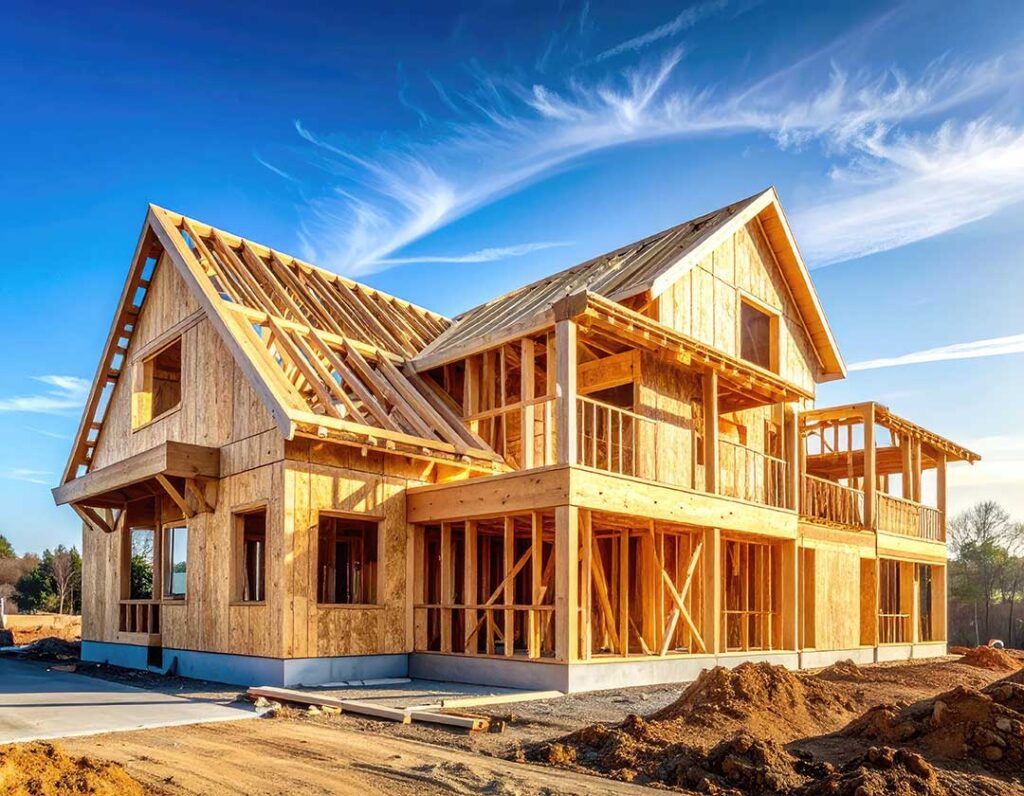
Choosing a homesite is more than finding attractive acreage or a convenient street. The lot must also support a safe foundation, practical drainage, reliable utilities, vehicle access, and a home design that fits local requirements.
A parcel can look affordable at first and still require costly work because of flood risk, poor soil, easements, or limited access. Careful evaluation before purchase helps prevent those surprises.
What should be checked before buying a lot?
Before making an offer, confirm that the property can legally and physically support the type of home planned. A basic review should include:
- Property boundaries and legal access
- Floodplain and drainage conditions
- Soil and foundation considerations
- Water, wastewater, electricity, and communications
- Setbacks, easements, and building restrictions
- Driveway and emergency access
- Site preparation and likely construction costs
A real estate listing may provide useful starting information, but it rarely answers every building-related question. The buyer should verify important details through property records, local requirements, utility providers, and site-specific evaluations.
Is the lot actually buildable?
“Buildable” does not simply mean that land is for sale. A lot may have too little usable area after accounting for setbacks, drainage features, utility easements, access requirements, or wastewater restrictions.
Look at the shape of the parcel as well as its total acreage. Narrow, triangular, sharply sloped, or irregular lots may leave less practical room for a house, driveway, garage, water storage, septic components, and outdoor areas.
A preliminary site sketch can reveal problems early. Mark the likely house location, driveway, parking, utility routes, drainage paths, and reserve space for future maintenance. If the proposed home only fits by using every available portion of the lot, the property may be less flexible than it appears.
How does drainage affect a homesite?
Water movement is one of the most overlooked lot-selection issues. A property does not need to sit directly beside a creek or channel to experience standing water, runoff, or erosion. Water can collect in low areas, move across neighboring land, or follow an old drainage path after heavy storms.
Walk the property after rainfall if possible. Look for:
- Muddy or unusually soft ground
- Areas where grass grows differently
- Erosion near slopes or ditches
- Standing water or water marks
- Exposed roots and washed-out soil
- Culverts, drainage channels, or low road crossings
Kempner, TX can experience intense rain events, so a lot that appears dry during a clear-weather visit may behave differently during a storm. Review official flood information, but do not treat a map as the only source of information. Flood maps may not show every localized drainage problem, especially where runoff is caused by terrain, construction, or undersized drainage features.
The safest building area is often slightly elevated and naturally well drained, not simply the flattest part of the property.
What should buyers know about soil and foundations?
Soil conditions influence foundation design, grading, drainage, and long-term movement. Soil may vary significantly across the same parcel, particularly where the land includes fill, exposed rock, wooded areas, old drive paths, or changes in elevation.
Visible clues can help, but they cannot replace a site-specific evaluation. Cracked ground, ponding, soft areas, buried debris, or abrupt changes in vegetation deserve closer attention.
Ask how the planned home will be supported and whether the lot requires:
- Additional excavation
- Imported or removed soil
- Compaction
- Retaining structures
- Pier, beam, or slab adjustments
- Special drainage preparation
A low purchase price may not remain low after extensive grading or foundation preparation. The lot should be evaluated together with the intended house plan because a design that works on one site may be inefficient or unsuitable on another.
Are utilities available at the property?
A nearby utility line does not always mean a simple or inexpensive connection. Confirm the exact location of water, wastewater, electricity, natural gas if applicable, and communications infrastructure.
Important questions include:
- Is service already at the property line?
- Is a connection fee required?
- Does the line have enough capacity?
- Will a utility easement be needed?
- How far must service lines travel to reach the home?
- Are overhead lines or poles located where the driveway or house is planned?

If public wastewater is unavailable, an on-site sewage system may be necessary. That requires suitable soil, adequate separation from wells and water features, enough usable land, and an approved layout. The location of the house, driveway, reserve area, and drainage features all affect whether the system can work.
Do not assume that a large lot automatically solves wastewater concerns. A property may have plenty of acreage but too little suitable soil or usable space in the correct location.
How do easements and restrictions affect the design?
An easement gives another party certain rights to use part of the property. Utility, drainage, access, and right-of-way easements can limit where buildings, fences, pools, sheds, and landscaping may be placed.
Review the recorded documents rather than relying only on a sketch or verbal description. An easement may cross the most convenient building area or create a required access path through the property.
Also check for deed restrictions, subdivision rules, minimum home sizes, exterior material requirements, livestock limits, fencing rules, or limitations on additional structures. These restrictions can affect both construction and future improvements.
A survey is especially useful when boundaries, easements, driveways, or neighboring improvements are unclear.
Is the road and driveway access practical?
A lot may have legal road access but still be difficult to reach with construction vehicles, emergency equipment, delivery trucks, or ordinary passenger vehicles.
Evaluate the road frontage, shoulder conditions, slope, turning space, and drainage crossings. A long driveway may require additional gravel, culverts, grading, gates, or maintenance. Steep access can become slippery during rain and difficult for service vehicles.
The driveway location should be selected before finalizing the house placement. Poorly planned access can consume valuable building area or direct stormwater toward the home.
How should sun, wind, trees, and views influence the choice?
The best homesite balances appearance with comfort and maintenance. Observe the property at different times of day if possible.
Consider:
- Morning and afternoon sun
- Shaded areas for outdoor living
- Prevailing wind and exposed ridges
- Mature trees that may be preserved
- Dead or damaged trees near the planned home
- Views that could be blocked by future construction
- Privacy from nearby roads and properties
Trees can provide shade and character, but they also affect grading, roots, drainage, and foundation planning. Removing trees may require additional work, while building too close to mature trees can create long-term maintenance concerns.
What is the most useful final test?
Create a complete site-cost checklist before committing to the lot. Include surveying, soil evaluation, clearing, grading, driveway construction, utility connections, drainage work, foundation preparation, wastewater installation, permits, and possible retaining structures.
Then compare the total site cost—not just the land price—with another suitable parcel. The right lot is usually the one that offers a workable combination of legal access, drainage, utilities, foundation conditions, and room for the home and its future needs.
A lot that requires some preparation can still be a good choice. The key is knowing what must be done, what it may cost, and whether the property can support those improvements before construction begins.